
Understanding Minimum Order Quantities for Custom Reusable Bags
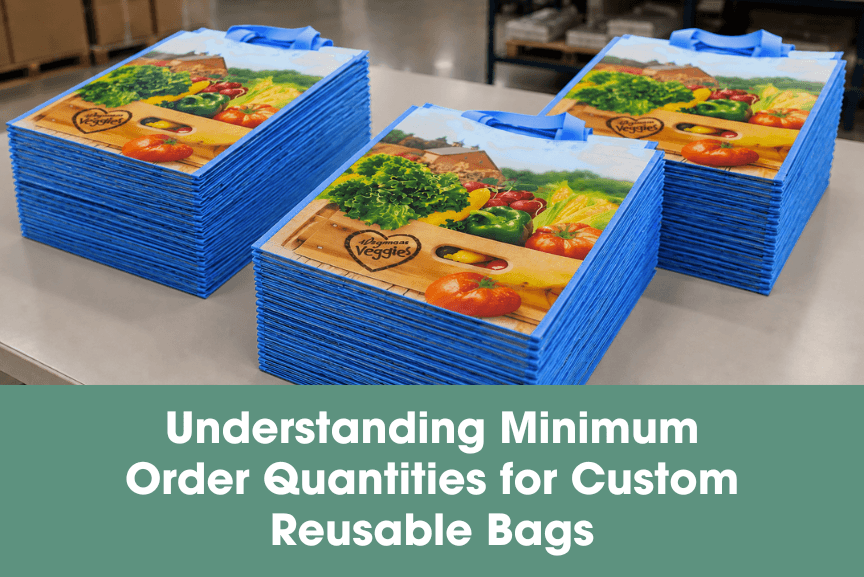
Stacks of woven polypropylene bags.
How Minimum Order Quantities Impact Pricing Planning and Production
If you’ve ever sourced custom reusable bags for your business, you’ve likely encountered the term MOQ—Minimum Order Quantity. It can feel like a barrier at first, especially for smaller businesses or pilot programs. But in reality, MOQs are a practical part of manufacturing that can work in your favor when you understand how to navigate them.
Here’s a clear breakdown of what MOQs are why they exist, and how to make smarter purchasing decisions for your brand.
What Is a Minimum Order Quantity (MOQ)?
An MOQ is the smallest number of units a manufacturer is willing to produce in a single order. For custom reusable bags, this can vary widely depending on:
Material (woven or non-woven polypropylene, cotton, jute, rPET, etc.)
Bag style and size
Printing method (screen print, heat transfer, full-color sublimation)
Level of customization
Typical MOQs in the reusable bag industry can range from a few hundred units to several thousand.
Why Do MOQs Exist?
MOQs aren’t arbitrary, they’re tied directly to production efficiency and cost. Here’s why manufacturers set them:
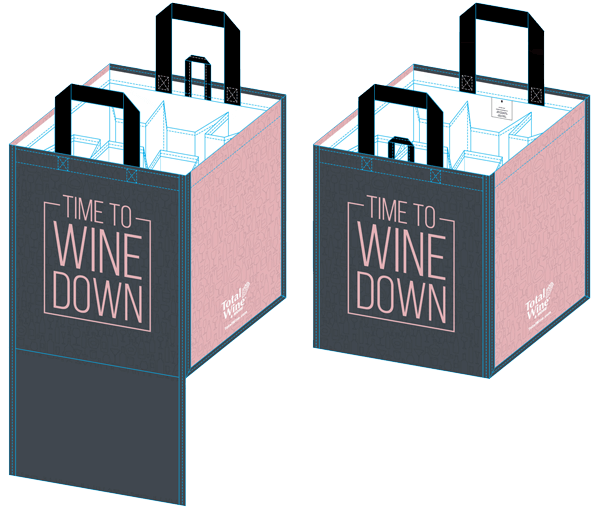
Setup Costs: Custom bags require setup work: creating printing screens, calibrating machines, sourcing materials, and preparing designs. These costs are fixed whether you order 100 or 10,000 units.
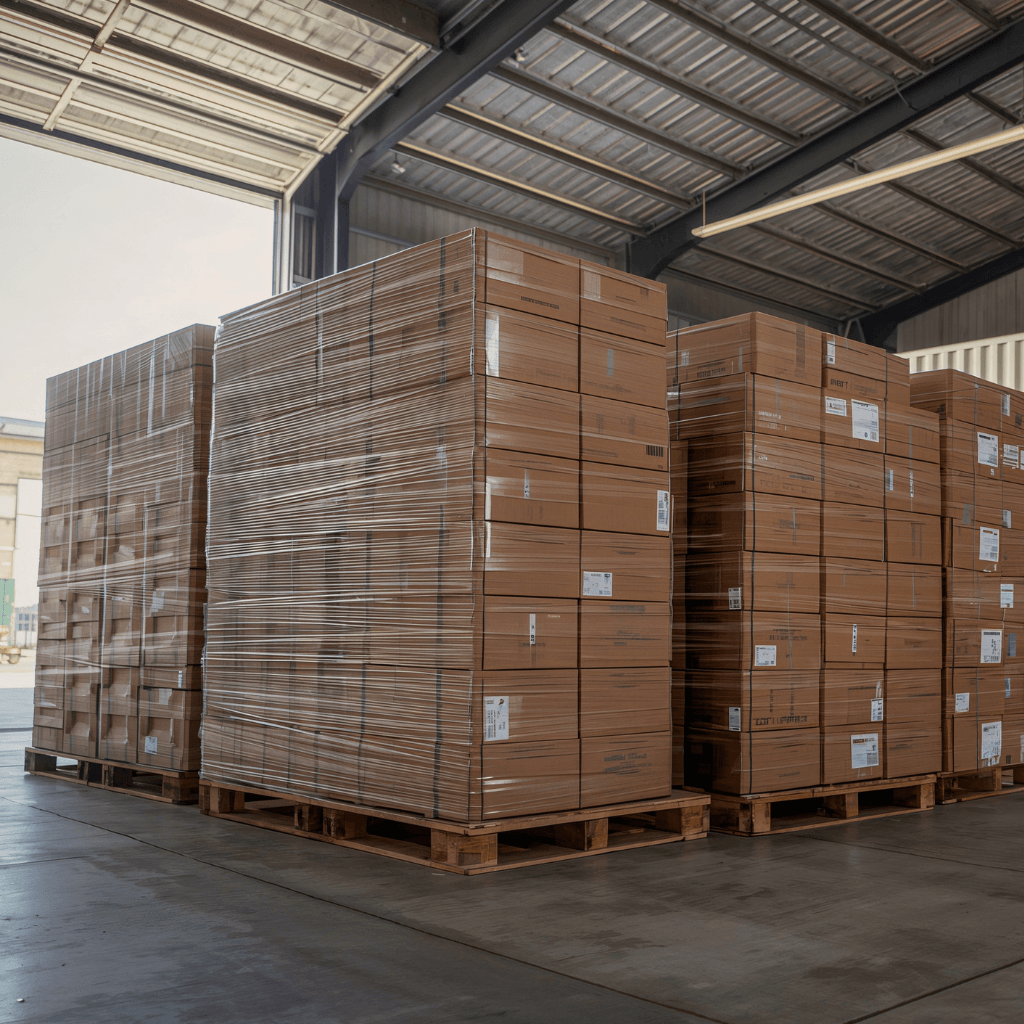
Material Sourcing: Factories often purchase raw materials in bulk. Producing very small quantities isn’t cost-effective when materials are bought at scale.
Production Efficiency: Manufacturing runs are optimized for volume. Larger orders reduce downtime and improve overall efficiency.
Pricing Stability: MOQs help ensure consistent pricing. Without them, per-unit costs would be significantly higher and less predictable.
How MOQs Impact Pricing
The relationship between MOQ and pricing is straightforward:
Higher quantities = lower cost per unit.
For example:
500 bags → higher unit cost
5,000 bags → significantly lower unit cost
This is why many businesses choose to order in bulk, even if it means holding extra inventory, because the long-term savings outweigh the upfront investment.
How to Work Strategically with MOQs
Rather than seeing MOQs as a constraint, treat them as a planning tool.
Forecast Your Needs: Estimate your usage over 6–12 months. Ordering once at a higher volume can be more cost-effective than multiple smaller runs.
Choose Versatile Designs: Opt for branding that won’t go out of date quickly. Timeless designs allow you to order larger quantities without risk.
Bundle Variations: Ask if your MOQ can be split across different colors or styles while maintaining the same base design.
Consider Storage: Make sure you have the space or a fulfillment partner to store larger quantities efficiently.
Build Supplier Relationships: Long-term partnerships often lead to more flexible MOQs, better pricing, and priority production slots.
MOQ vs. Sustainability: Finding the Balance
Ordering more than you need can feel counterintuitive when your goal is sustainability. However, there’s a balance:
Fewer production runs = lower overall manufacturing impact
Durable, high-quality bags reduce the need for reordering
Bulk shipping reduces transportation emissions per unit
The key is to order intentionally, not excessively.
Making Smarter Long Term Purchasing Decisions

Minimum Order Quantities are a fundamental part of custom manufacturing, but they don’t have to be a roadblock. With the right strategy, MOQs can actually help you reduce costs, improve consistency, and scale your brand more efficiently.
Whether you’re a retailer, grocer, or specialty brand, understanding MOQs puts you in control of your packaging decisions and sets you up for long-term success.
Ready to plan your next order?
We help businesses navigate MOQs with flexible options, expert guidance, and reusable bag solutions tailored to your industry. Get in touch to explore the right balance between cost, customization, and sustainability.