

Reusable Bag Hygiene 101
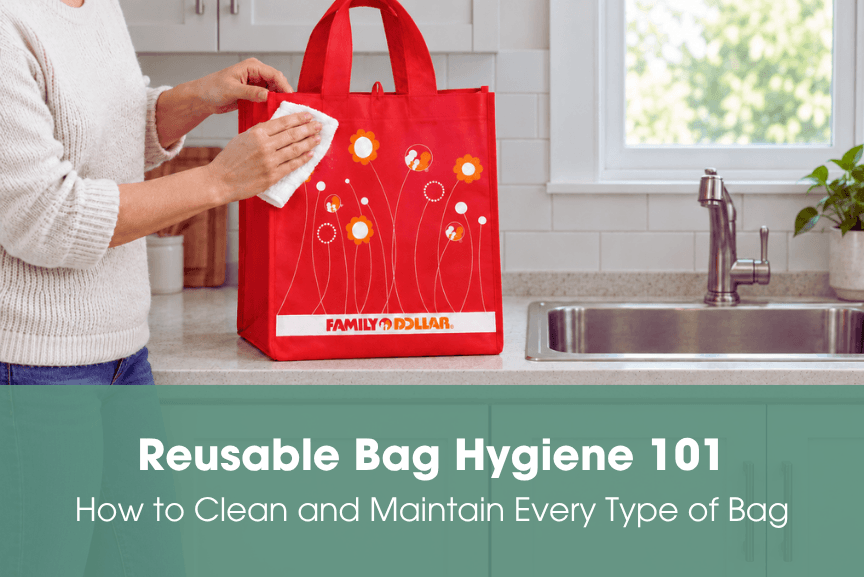
A reusable non-woven polypropylene bag is gently wiped with a damp cloth to keep it clean and ready for its next use.
How to Clean and Maintain Every Type of Bag
Reusable bags are designed to be used again and again, but like any frequently used product, they need proper care to stay clean, fresh and functional.
For retailers, grocers, wineries, liquor stores and other businesses providing reusable bags to customers, hygiene is more than a consumer consideration. A well-maintained reusable bag lasts longer, performs better and reinforces the value of choosing reusable packaging.
The good news? Most reusable bags are easy to clean. The key is understanding that different materials require different cleaning methods.
Here’s your guide to reusable bag hygiene 101.
Why Reusable Bag Hygiene Matters
Reusable bags can carry groceries, produce, prepared foods, bottles, clothing and countless other products. Over time, spills, crumbs, moisture and food residue can accumulate inside the bag.
Regular cleaning helps:
Remove food residue and odors
Reduce the buildup of dirt and bacteria
Prevent stains from becoming permanent
Extend the useful life of the bag
Maintain the bag's structure and functionality
Reusable Bag Cleaning and Care at a Glance
| Bag Type | Everyday Cleaning | Deep Cleaning | Drying | Key Care Tip |
|---|---|---|---|---|
| Non-Woven Polypropylene | Wipe with damp cloth and mild soap | Gentle spot clean | Air dry | Avoid soaking and harsh chemicals |
| Woven Polypropylene | Wipe with warm, soapy water | Soft-brush stubborn dirt | Air dry | Be gentle around printed areas |
| Cotton | Wipe or wash as directed | Machine wash if permitted | Air dry or as directed | Watch for shrinkage |
| Jute | Gentle spot clean | Avoid soaking unless approved | Air dry thoroughly | Keep away from prolonged moisture |
| Juco | Wipe with damp cloth | Spot clean | Air dry | Protect the natural-fiber exterior |
| rPET | Wipe with mild soap and water | Wash if manufacturer permits | Air dry | Avoid high heat |
| Recycled Polyester | Hand wash or wipe | Machine wash if permitted | Dry completely before folding | Don't store while damp |
| Produce Bags | Wash after use | Follow material instructions | Air dry completely | Clean promptly after wet produce |
| Insulated Bags | Wipe interior and exterior | Spot clean food spills | Leave open to dry | Never store while damp |
| Bottle Bags | Wipe spills promptly | Clean according to exterior material | Air dry fully | Check bottom for trapped moisture |
Quick rule: When in doubt, check the manufacturer's care instructions. Construction details such as coatings, laminations, printing and insulation can change the recommended cleaning method.
Non-Woven Polypropylene Bags

Non-woven polypropylene is one of the most widely used materials for reusable shopping bags because it is lightweight, durable and economical.
How to clean:
For everyday cleaning, wipe the bag with a damp cloth and mild soap. For heavier spills, use a soft sponge with warm, soapy water.
Avoid soaking the bag unless the manufacturer's care instructions specifically allow it.
Maintenance tips:
Empty crumbs and debris regularly.
Allow the bag to dry completely before storing.
Do not put a damp bag into a closed cupboard or vehicle.
Avoid harsh chemicals.
Store away from excessive heat.
Woven Polypropylene Bags

Woven polypropylene bags have a more structured construction and are particularly useful when durability and repeated use are priorities.
How to clean:
Wipe the exterior and interior with warm water and mild detergent.
Allow the bag to air dry completely.
Maintenance tips:
Because woven polypropylene is easy to wipe clean, it can be particularly practical for grocery and retail applications where bags may encounter spills or heavier products.
Cotton Bags

Cotton reusable bags are popular because they are durable, versatile and available in natural, organic and recycled cotton options.
Many cotton bags can be machine washed but always check the manufacturer's care instructions first.
How to clean:
For washable cotton bags:
Empty the bag completely.
Shake out crumbs and debris.
Wash according to the recommended temperature.
Use a mild detergent.
Air dry or tumble dry if the manufacturer's instructions permit.
Cotton can shrink, so following the recommended washing instructions is important, particularly for made-to-measure bags.
Maintenance tips:
Wash after carrying raw or unpackaged food.
Learn more at The Ultimate Guide to Cleaning Canvas Tote Bags.
Jute Bags

Jute bags have a distinctive natural appearance and are often selected for their rustic, premium or natural aesthetic.
However, jute generally requires more care than synthetic materials.
How to clean:
Spot cleaning is usually the safest approach. Use a damp cloth and mild soap to gently clean affected areas.
Avoid completely soaking a jute bag unless its care instructions specifically state that it is washable.
Allow it to air dry thoroughly in a well-ventilated area.
Maintenance tips:
Keep jute away from prolonged moisture.
Do not store it while damp.
Treat spills promptly to minimize staining.
Juco Bags
Juco combines jute and cotton, giving the bag a natural appearance while providing some of the handling characteristics associated with cotton.
Cleaning requirements depend on the specific construction and any laminated interior.
How to clean:
For minor spills, wipe the bag with a damp cloth and mild soap. For bags with a laminated interior, the inside can generally be wiped clean more easily than the natural-fiber exterior.
Always follow the manufacturer's care instructions.
Maintenance tips:
Clean spills promptly.
Keep the natural-fiber exterior as dry as possible.
Allow the bag to air dry completely.
Avoid storing in humid environments.
rPET Bags
rPET bags are made using recycled plastic bottles and are valued for their durability, lightweight construction and ability to incorporate recycled content.
How to clean:
Most rPET bags can be wiped clean using warm water and mild soap. Some may be machine washable depending on their construction.
Maintenance tips:
Follow the manufacturer's washing instructions.
Avoid high heat unless specifically permitted.
Air dry when possible.
Keep bags clean and dry between uses.
Recycled Polyester Bags
Recycled polyester is also used for lightweight foldable reusable bags, backpacks and produce bags.
How to clean:
For most lightweight recycled-polyester bags, hand washing or wiping with mild soap and water is appropriate. Some products may be machine washable.
Because these bags are often designed to fold compactly, make sure they are completely dry before folding and storing.
Maintenance tips:
Clean before long-term storage.
Never fold while wet.
Avoid excessive heat.
Check seams and handles periodically for wear.
Insulated & Thermal Bags

Insulated bags are particularly useful for transporting refrigerated and frozen foods and beverages or hot lunches and prepared foods
Because condensation and food spills can occur inside these bags, cleaning should be part of their regular maintenance.
How to clean:
Remove crumbs and debris first. Wipe the interior and exterior with warm water and mild detergent.
For food spills, clean the affected area as soon as possible.
Do not store the bag until the interior is completely dry.
Maintenance tips:
Leave the bag open after use so moisture can evaporate.
Wipe up spills immediately.
Do not use abrasive cleaners on laminated or insulated surfaces.
Inspect the lining periodically for damage.
Bottle Bags
Reusable bottle bags are commonly used for wine, beer, spirits and other beverages.
Because bottles can occasionally leak or develop condensation, the inside of the bag should be checked regularly.
How to clean:
Wipe the interior with warm water and mild soap. For exterior fabrics such as cotton or jute, follow the appropriate material-specific cleaning method.
Allow the bag to dry fully before storing bottles inside.
Maintenance tips:
Check the bottom of the bag for moisture.
Clean spills immediately.
Inspect handles and seams for signs of wear.
Never store the bag while damp.
Foldable/Collapsible Boxes
Some reusable boxes are manufactured with antimicrobial treatments designed to help protect the material against the growth of certain microorganisms.
For example, reusable collapsible boxes may incorporate an antimicrobial finish as part of their product design.
It's important to remember that an antimicrobial treatment is not a substitute for cleaning.
The best approach remains simple: clean the product according to its care instructions and allow it to dry properly between uses.
Looking for the Right Reusable Bag for Your Business?
At Envi Reusable Bags, we help businesses select reusable bag solutions based on application, material, durability, branding and volume requirements.
Whether you're sourcing bags for grocery, retail, wineries, liquor stores, specialty products or promotional programs, we can help you identify the right solution for your requirements.
Contact Envi Reusable Bags to discuss your next custom reusable bag program and request a quote.