

Waste Reduction Week October 19-25, 2026
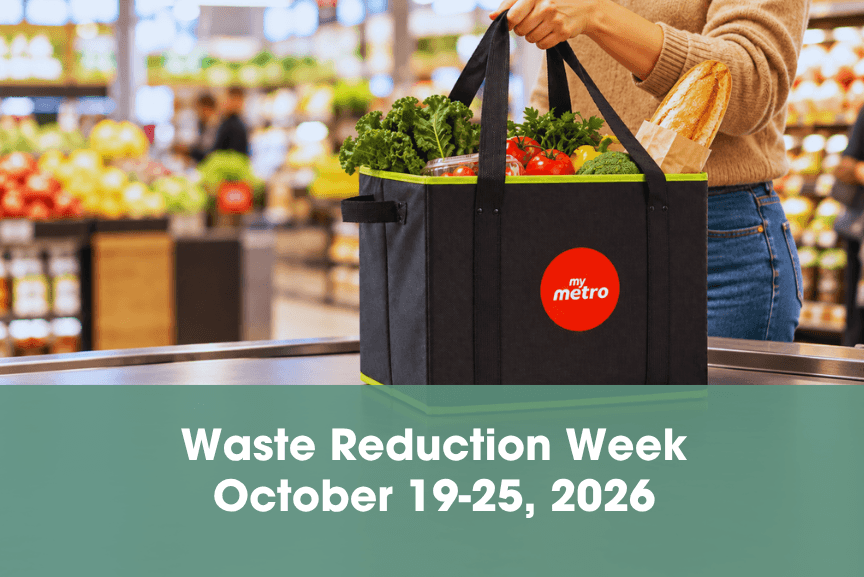
Waste Reduction Week October 19-25, 2026: Shopper holding a reusable grocery bag filled with groceries at a checkout counter.
Turning Waste Prevention, Into Business Action
Waste Reduction Week is an opportunity to look beyond recycling and focus on an even more important question: How can we prevent waste from being created in the first place?
For businesses, waste reduction is no longer simply an environmental initiative. It can also be a smart business strategy—helping organizations reduce unnecessary materials, improve operational efficiency, meet sustainability objectives and respond to changing customer expectations.
From packaging and shipping materials to single-use products and retail bags, businesses make purchasing decisions every day that can influence how much waste ends up in the waste stream.
Waste Prevention Starts, With Better Choices
Recycling has an important role to play, but the most effective waste is often the waste that never needs to be created.
That means considering the entire life cycle of the products and packaging a business, purchases.
Before ordering, ask:
Is this product designed for single use or repeated use?
Can the material be reduced?
Can the product be reused?
Is the product durable enough to have a long service life?
Can we purchase products made with recycled or renewable materials?
Can we eliminate unnecessary packaging?
Does the supplier have options that better support our waste-reduction objectives?
These questions can help procurement teams move from simply managing waste to actively preventing it.
Reusable Bags Are a Simple Waste-Reduction Tool
Retail bags are a good example of where a small change can have an ongoing impact.
Instead of relying exclusively on single-use bags, businesses can offer customers durable reusable alternatives designed for repeated shopping trips.
Reusable bags can be manufactured in a wide range of materials, including recycled polyester, recycled cotton, cotton, jute, juco, woven polypropylene and recycled non-woven materials.
The right choice depends on the application, expected lifespan, budget, branding requirements and performance specifications.
For businesses, the goal isn't simply to choose a "green" bag. It's to choose a bag that customers will actually use again and again.
Durability Matters

A reusable product only delivers waste-reduction benefits when it is actually reused.
This is why durability should be an important procurement consideration.
A retail-grade reusable bag should be able to withstand repeated handling and the weight associated with its intended use. Construction, handles, stitching, material weight and overall design can all affect how long a bag remains useful.
For procurement professionals, comparing suppliers based solely on unit price can overlook an important consideration: value over the life of the product.
A bag that lasts longer and is used repeatedly may provide greater value than a lower-cost product that needs to be replaced more frequently.
Waste Reduction Goes Beyond Shopping Bags
Businesses can look for waste-reduction opportunities throughout their operations.
Consider:
Retail packaging: Can packaging materials be reduced or eliminated?
Food service: Can reusable or appropriately designed containers replace disposable alternatives?
Shipping: Can packaging be optimized to use less material?
Events: Can promotional products be selected for long-term use rather than disposal?
Employee programs: Can reusable products replace commonly used disposable items?
Procurement: Can suppliers provide recycled-content or reusable alternatives?
Every department can potentially contribute to waste prevention.
Give Products a Second Life
Another important principle of waste reduction is extending the useful life of products.
For businesses, this can mean selecting products that remain useful beyond their original purpose.
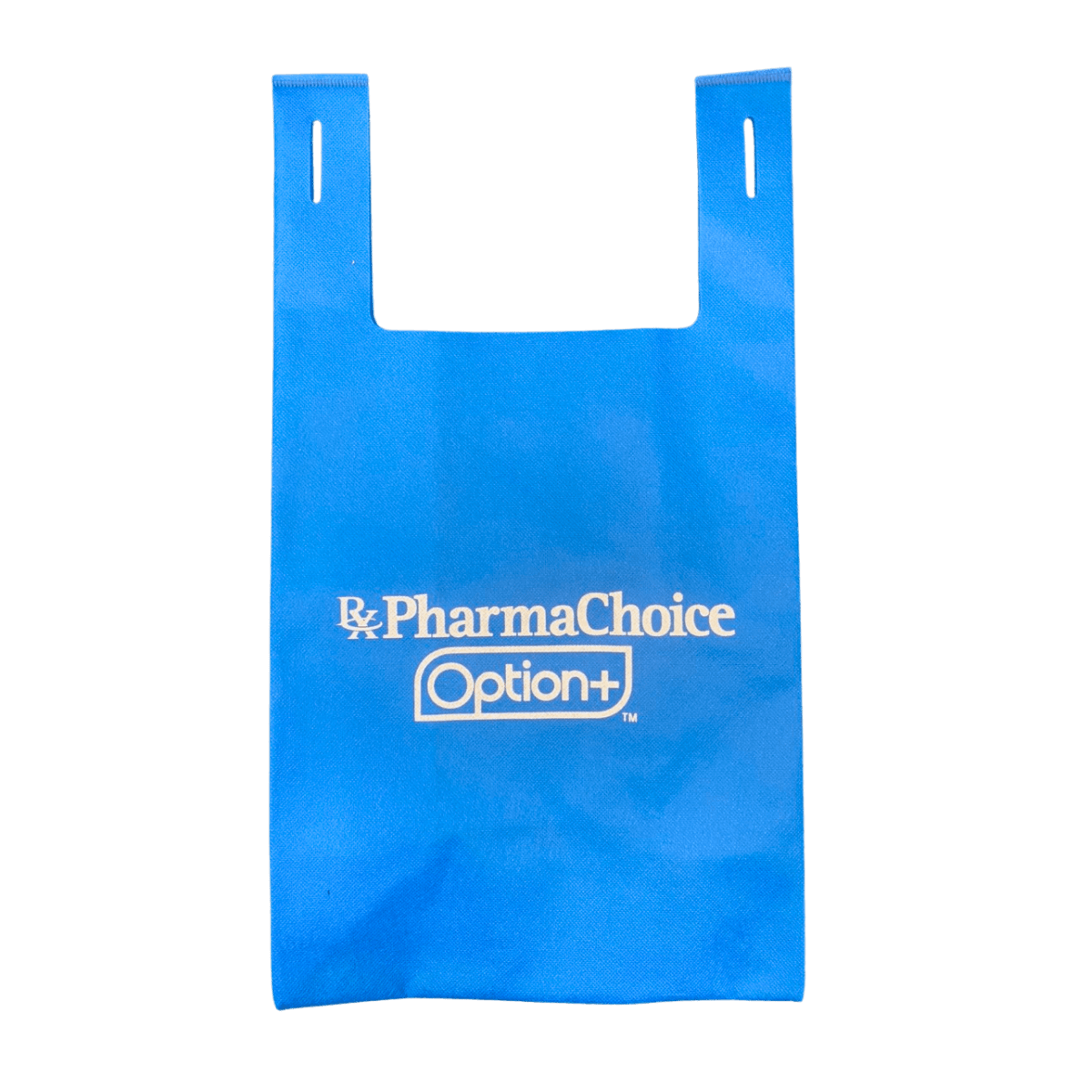
A branded reusable bag, for example, can continue advertising a business every time a customer uses it at the grocery store, gym, market or another retailer.
That creates a unique combination of waste reduction and brand visibility.
Instead of a product being used once and discarded, it becomes a long-term part of the customer's daily routine.
Waste Reduction Can Support Sustainability Goals
For organizations with formal sustainability or ESG programs, waste reduction can also become part of broader environmental objectives.

Procurement teams can contribute by tracking purchasing decisions, material choices, product longevity and opportunities to reduce single-use products.
The key is to move from general sustainability statements to measurable actions.
Rather than asking, "How sustainable are we?", businesses can start asking:
"What waste can we eliminate, reduce or prevent this year?"
That question can lead to practical changes across purchasing, operations and customer-facing programs.
Start Small. Think Long Term.
Waste Reduction Week isn't about making every change overnight.
It's about identifying opportunities and taking action.
Replacing a single-use product with a reusable alternative may seem like a small step. But when that decision is multiplied across thousands of customers, employees, transactions or locations, the potential impact becomes much greater.
The most effective waste-reduction strategies are often the ones that are practical enough to become part of everyday business.
Make Waste Reduction Part of Your Next Procurement Decision
If your organization is looking for ways to reduce single-use retail packaging, Envi Reusable Bags can help you explore reusable bag solutions for grocery, retail, wineries, liquor stores, dealerships and other businesses.
From durable everyday shopping bags to insulated, produce, bottle and specialty bags, choosing the right reusable product can be an important step toward reducing waste while delivering practical value to your customers.
Looking for a reusable bag solution for your business? Contact Envi Reusable Bags to discuss your requirements and request a custom quote.