

What Makes a Reusable Bag Retail Grade
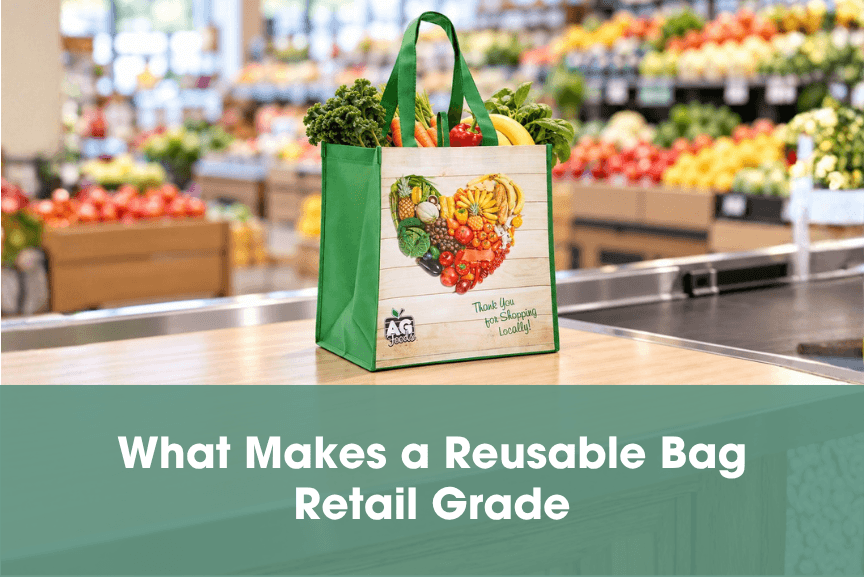
A reusable bag sitting on a counter in a store.
A Practical Guide to Choosing Reusable Bags That Hold Up to Everyday Retail Use
A reusable bag represents your brand each time a customer carries it. For retailers, it also needs to hold up to the products customers buy and the way they shop. A bag that looks good in a sample but fails after a few uses can create replacement costs and a poor customer experience.
There is no universal definition of “retail grade.” The useful question is whether the material, construction, printing and quality controls suit the bag’s intended use. Here is what to check before committing to a large order.
Start With the Intended Use
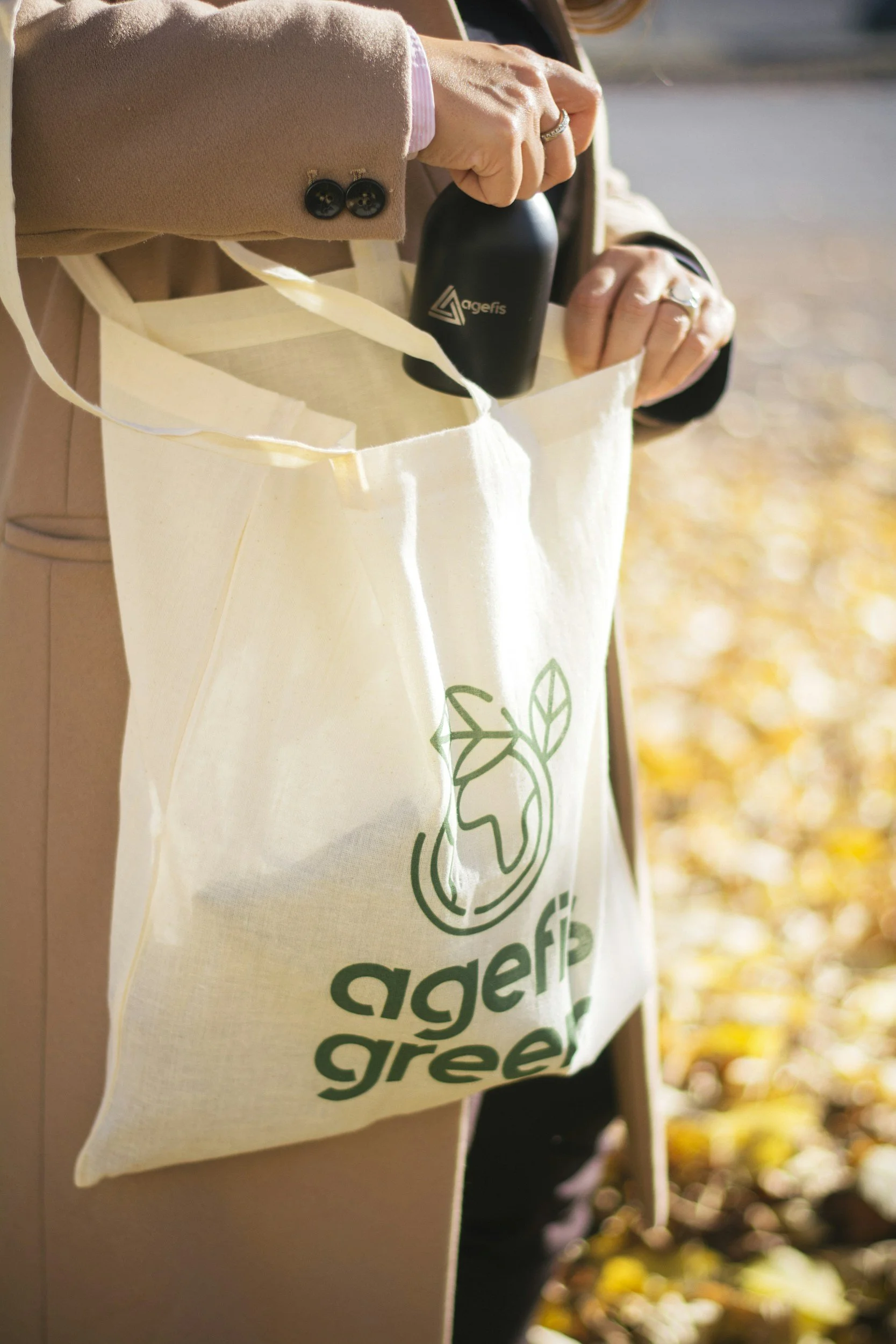
A lightweight tote for brochures at an event has different requirements from a grocery bag used for cans and bottles every week. Define what customers will carry, the typical and maximum load, how often they may reuse the bag, and where they will store or clean it. These answers should guide the specification and any testing you request.
The strongest or most expensive bag is not automatically the right choice. The goal is appropriate performance at a sensible cost for your retail program.
Choose a Material That Fits the Application
Common options include:
- Woven polypropylene: Strong, structured and suited to many high-use grocery applications.
- Non-woven polypropylene: Lightweight, printable and often a cost-effective choice for retail or promotional programs.
- Recycled polyester (rPET): An option for programs seeking recycled content, with performance depending on the fabric and construction.
- Cotton and recycled cotton: A natural look and feel for retail totes, with care requirements that should be confirmed.
- Jute and juco: A structured appearance often used for specialty retail, gifting and bottle bags.
Material alone does not determine durability. Fabric weight, weave, coatings, seams and handle design all matter. Ask the supplier to explain why a proposed material suits your expected load, desired appearance, cleaning method and budget.
Inspect Handles, Seams and the Bottom
Handles and attachment points carry the weight of the contents. Check their size, placement, stitching or bonding, and any reinforcement at stress points. A bag intended for heavy groceries or bottles needs a different handle design from a light apparel tote.
Inspect side seams and the bottom of a physical sample as closely as the logo. Depending on the design, folded construction, stitching, heat sealing or reinforcement may help the bag withstand repeated loading. Ask for a recommended load capacity and evidence that the finished bag, including its handles and seams, can meet it.
Consider Repeated Handling and Cleaning
Retail bags are placed in carts, vehicles, on counters and sometimes on the ground. They are folded, compressed and exposed to spills. Assess abrasion and wear under realistic conditions, especially for a high-volume grocery program. A bag’s useful life depends on more than whether it survives a single lift.
Confirm whether the finished bag can be wiped clean or washed, how customers should care for it, and whether cleaning may affect the fabric, seams or print. Do not assume that all bags made from the same material have identical care instructions.
Make the Print Part of the Specification
Your logo should remain legible and consistent through normal handling. The printing method needs to suit the material, artwork and expected use. Review a finished sample for color, definition and adhesion. If cleaning is expected, ask how the print performs after the recommended cleaning method.
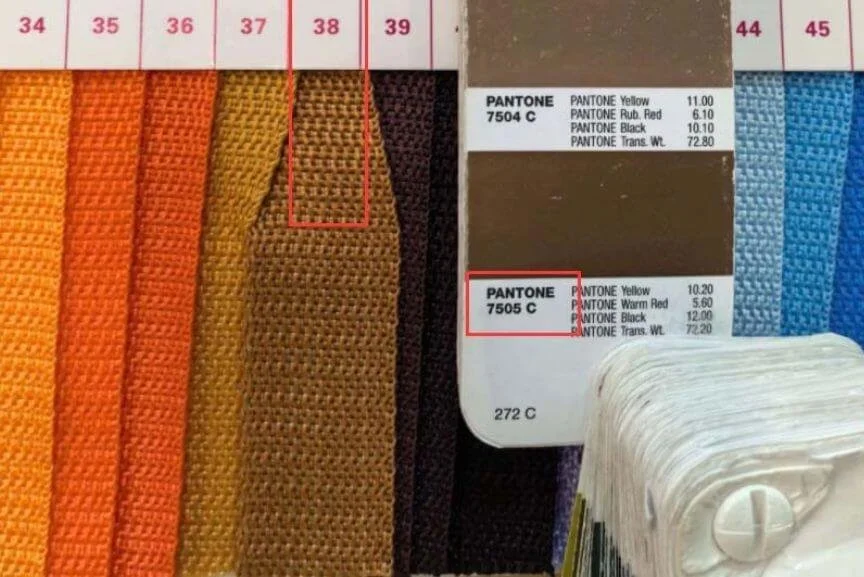
For repeat orders, record approved colors, dimensions and print placement so future runs can match the original program.
Verify Testing and Production Quality

Terms such as “heavy duty” and “retail quality” are too vague on their own. Ask which performance requirements apply and what evidence supports them. Depending on the bag, relevant checks may include load, handle and seam strength, abrasion, colorfastness or dimensional stability. Not every test is useful for every product; choose tests that reflect actual use.
A strong pre-production sample is only helpful if the full run matches it. Discuss how the supplier checks materials, dimensions, handle attachment, stitching, printing, color and packaging during production. For larger orders, request a pre-production sample for approval and clarify how departures from the approved specification will be handled.
Compare Value Across the Full Program
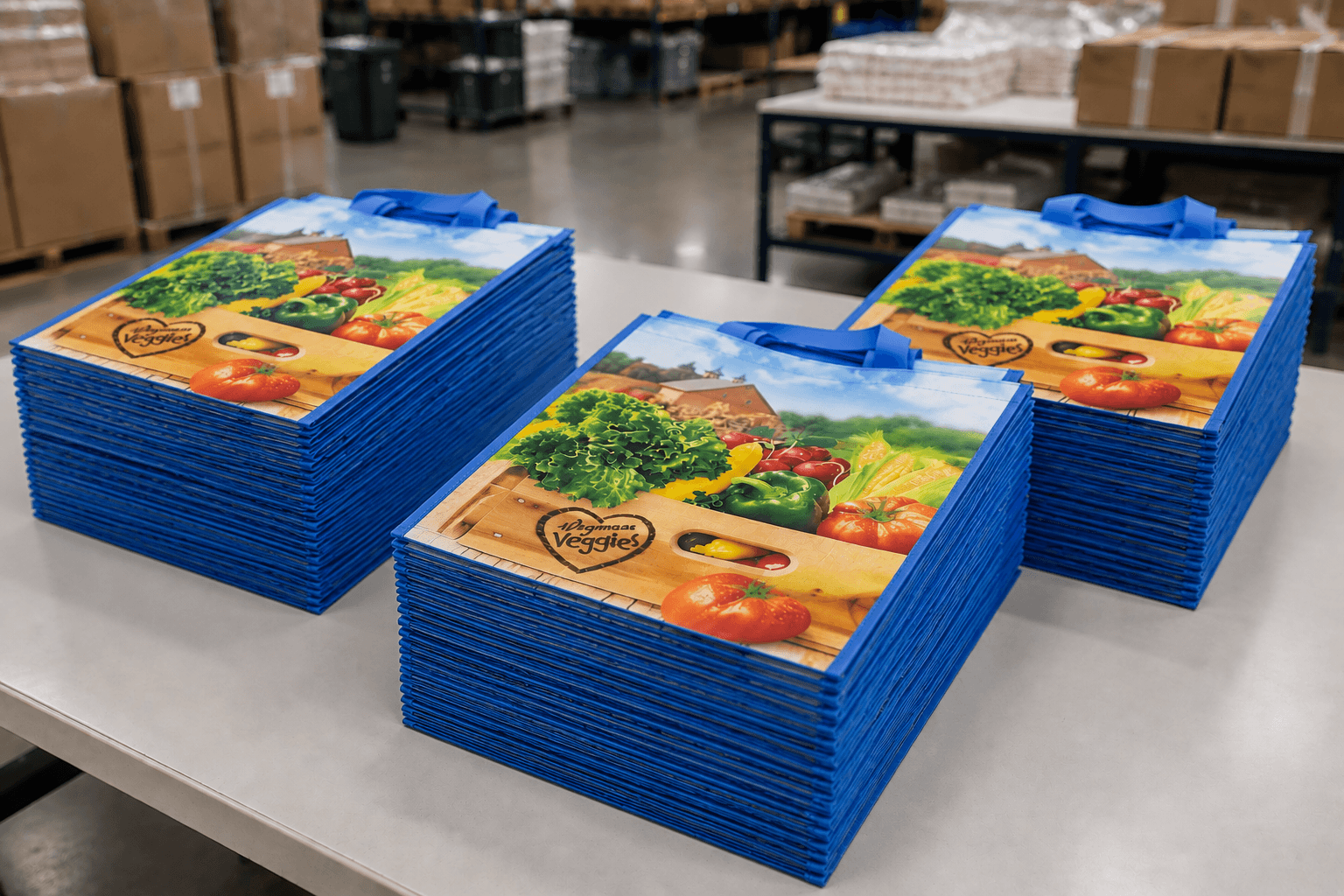
Unit price is important, but it does not tell you how long a bag will last or whether customers will keep using it. Compare expected service life, cost per use, replacement needs, production consistency and the effect of delays. A lower-priced bag can cost more overall if it needs replacing sooner.
Lead times, minimum order quantities and the ability to reproduce specifications also matter, particularly for stores ordering across multiple locations or planning recurring campaigns.
A Short Procurement Checklist
Before approving a retail bag, confirm:
Source a Bag Built for Your Customers
A retail-grade bag is one whose specifications match the job it needs to do. Share your current bag, target quantity, products carried and performance requirements with Envi. We can help compare materials and construction options and provide a quote for a reusable bag program designed around your needs.