

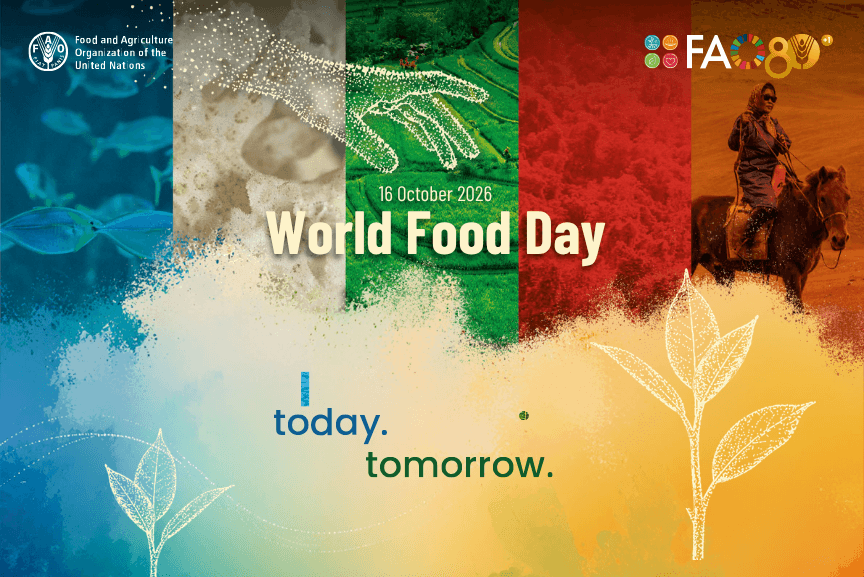
World Food Day 2026: Innovate Today. Nourish Tomorrow
World Food Day 2026: Innovate Today. Nourish Tomorrow
How Reusable Packaging Supports Innovation in Grocery Retail
Food is something we all depend on, yet the systems that produce, transport, package and distribute food are facing increasingly complex challenges.
This year, World Food Day 2026 puts the spotlight on innovation with the theme “Innovate today. Nourish tomorrow.” The Food and Agriculture Organization of the United Nations (FAO) is highlighting how forward-thinking solutions, combined with traditional knowledge and inclusive approaches, can help ensure access to sufficient, diverse, safe and nutritious food while protecting the planet for future generations.
For businesses involved in food and retail, the theme is a reminder that innovation isn't limited to farming or food technology. It can also happen throughout the supply chain, including how products are packaged, transported, displayed and taken home.
Building a More Resilient Food System
According to the FAO, the world already produces enough food to nourish everyone, yet hundreds of millions of people continue to face hunger, while billions cannot afford a healthy diet. Conflict, economic instability and climate-related shocks are placing additional pressure on agrifood systems.
Addressing these challenges requires innovation at every stage of the food system.
Innovation can include:
New agricultural technologies and production methods
Better data and information systems
More resilient supply chains
Improved food storage and transportation
New approaches to reduce food waste
More sustainable packaging and retail practices
Collaboration between businesses, farmers, governments and communities
The FAO emphasizes that transforming agrifood systems requires collective action and contributions from farmers, fishers, businesses, policymakers, researchers and communities.
Retailers Have a Role to Play
Grocery stores, supermarkets, food retailers and other businesses sit at an important point in the food supply chain.
Every day, retailers make decisions about packaging, transportation, merchandising, customer convenience and waste. Those decisions can contribute to a more efficient and sustainable food system.
One relatively simple area for innovation is reusable retail packaging.
Instead of treating a shopping bag as something designed for a single transaction, businesses can provide durable reusable bags that customers can use repeatedly. This can help retailers reduce their reliance on disposable shopping bags while also creating a practical, long-term branded product.
Reusable Bags: A Small Innovation With a Practical Purpose
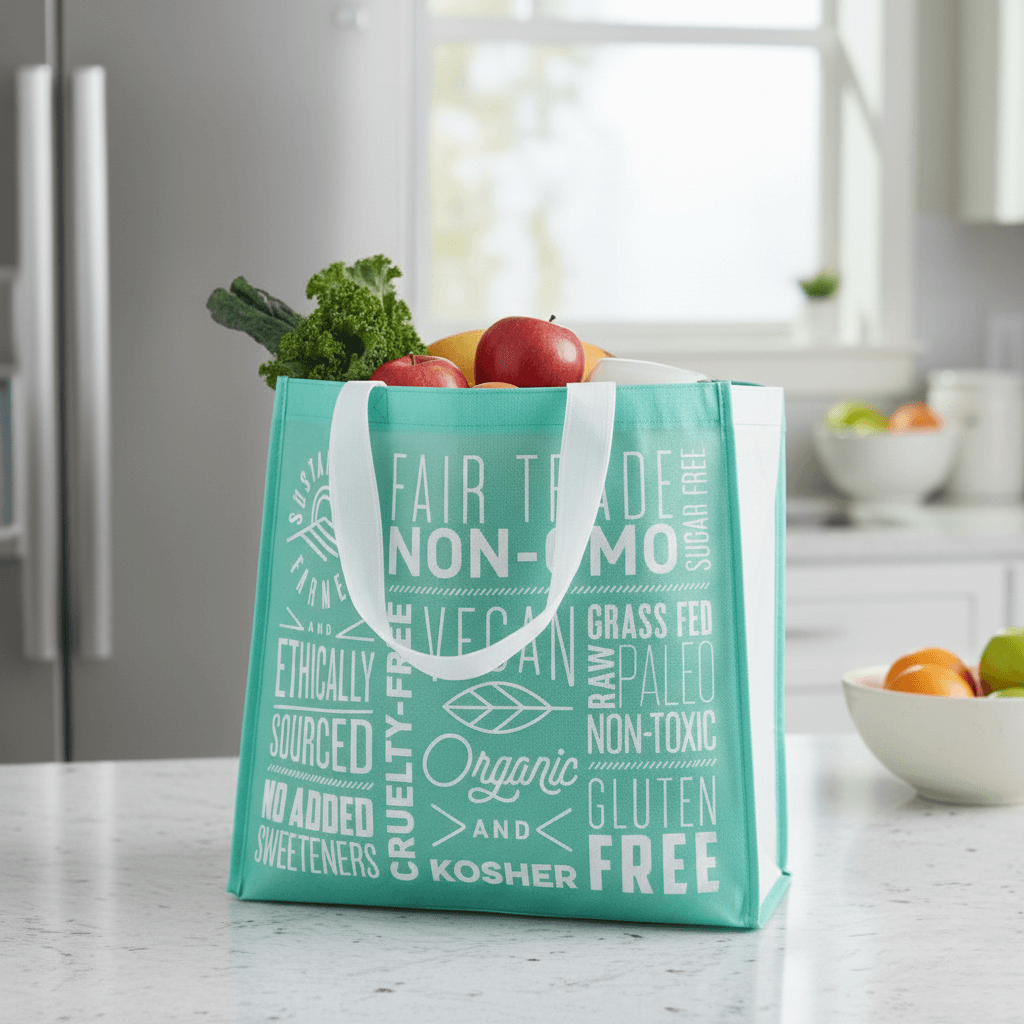
Reusable bags may seem like a small part of the food system, but they are used at the final stage of the grocery shopping journey, when food moves from retailer to consumer.
For grocery and food retailers, reusable bags can offer several business advantages:
Durability: Retail-grade reusable bags can be designed to handle repeated shopping trips and heavier loads.
Convenience: Different bag formats can be selected for groceries, produce, bottles, frozen foods and other products.
Brand visibility: A reusable bag can continue displaying a retailer's brand long after the original purchase.
Waste reduction: Reusable packaging gives customers an alternative to repeatedly using disposable shopping bags.
Customization: Bags can be designed around a retailer's size requirements, product mix, branding and customer needs.
Innovation doesn't always require a revolutionary new technology. Sometimes it means looking at an everyday product differently and designing it to work better for businesses, customers and the environment.
Innovation Can Happen Throughout the Grocery Supply Chain
The future of food depends on more than producing enough food. It also depends on creating systems that can efficiently move food from producers to consumers.
That means businesses can look for opportunities to improve everything from transportation and storage to packaging and customer experience.
For example, insulated reusable bags can help customers transport temperature-sensitive groceries, while reusable produce bags provide an alternative to disposable produce bags. Foldable reusable bags can offer customers a convenient option that takes up less storage space when not in use.
For retailers, these products can become part of a broader sustainable retail packaging strategy.
From Today's Decisions to Tomorrow's Food System
The 2026 World Food Day theme, “Innovate today. Nourish tomorrow.”, encourages us to think about how today's decisions influence the food systems of the future.
For businesses, that means looking beyond immediate transactions and considering opportunities to improve efficiency, reduce waste, support customers and build more resilient operations.
Every improvement matters, whether it involves new agricultural technology, better food distribution, reducing food waste or choosing reusable packaging.
As we recognize World Food Day, let's remember that innovation can happen at every level of the food system.
The future of food isn't just about what we produce. It's also about how we move, package and consume it.
Looking for a Better Reusable Bag Solution?
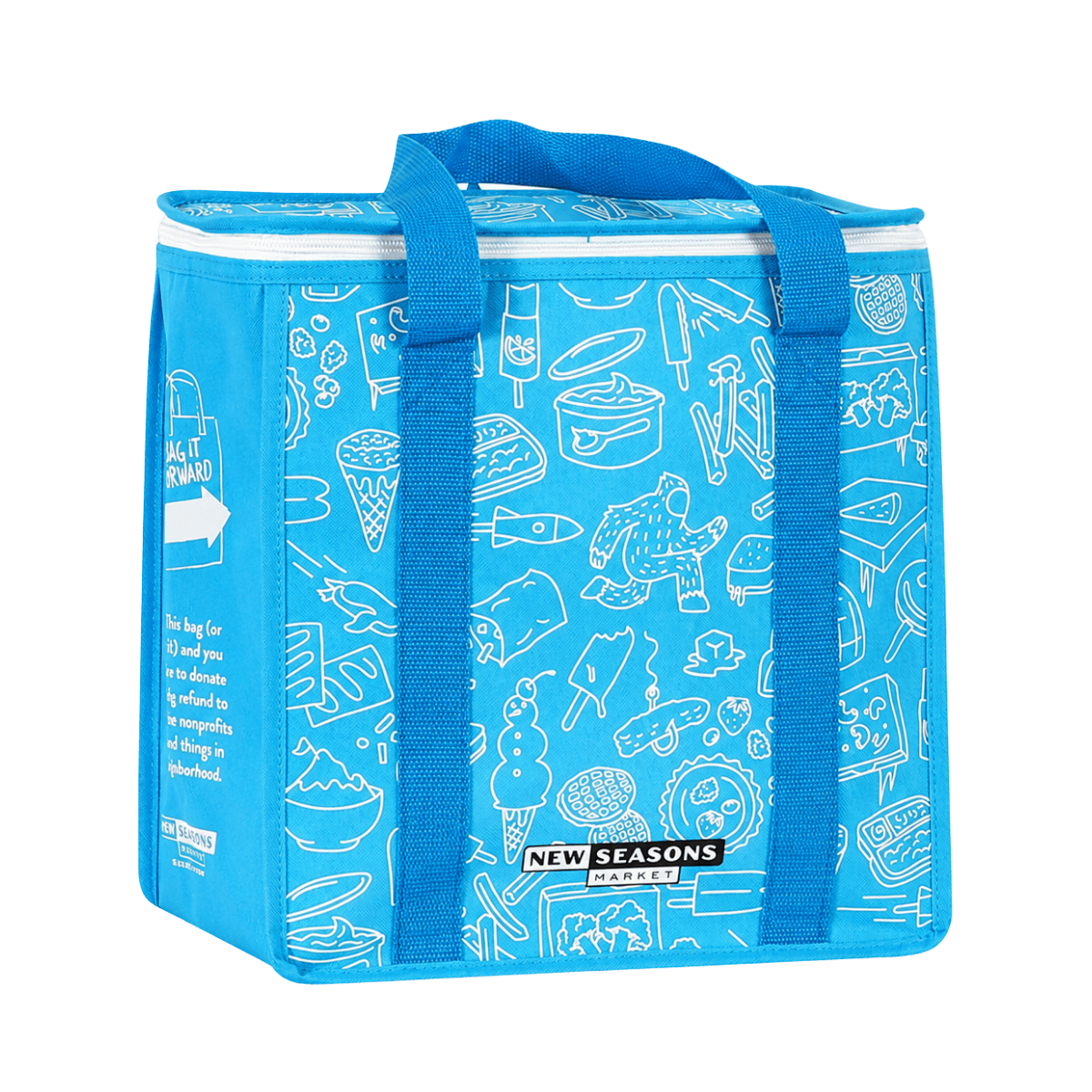
Envi Reusable Bags works with retailers, grocery stores and other businesses to develop custom reusable bags designed around their specific products, branding and operational requirements.
From grocery bags and produce bags to insulated bags and specialty retail packaging, the right reusable bag can be a practical part of a company's sustainability and packaging strategy.
Contact Envi Reusable Bags to discuss your next custom reusable bag program and find a solution designed for your business.